
Our Impact
Treehouse Theatre was formed because refugee children in the Intensive English Centres (IEC) in Western Sydney going through Ruth Hartcher O’Brien’s classes showed greater improvement in dealing with their trauma, relocation, separation of families and grief than other refugee children that were not participating. Positive Impact on the children was and is the main aim of the program.
Since 2011, the evidence of impact was clear to those working with the cast, to their teachers in the main school when they moved from the IEC, to their classmates and to the children’s families. The most important marker of impact is that all of the alumni have progressed successfully from school and assimilated into society, either in tertiary education, learning a trade and getting jobs.
What Do We Do?
Our Process
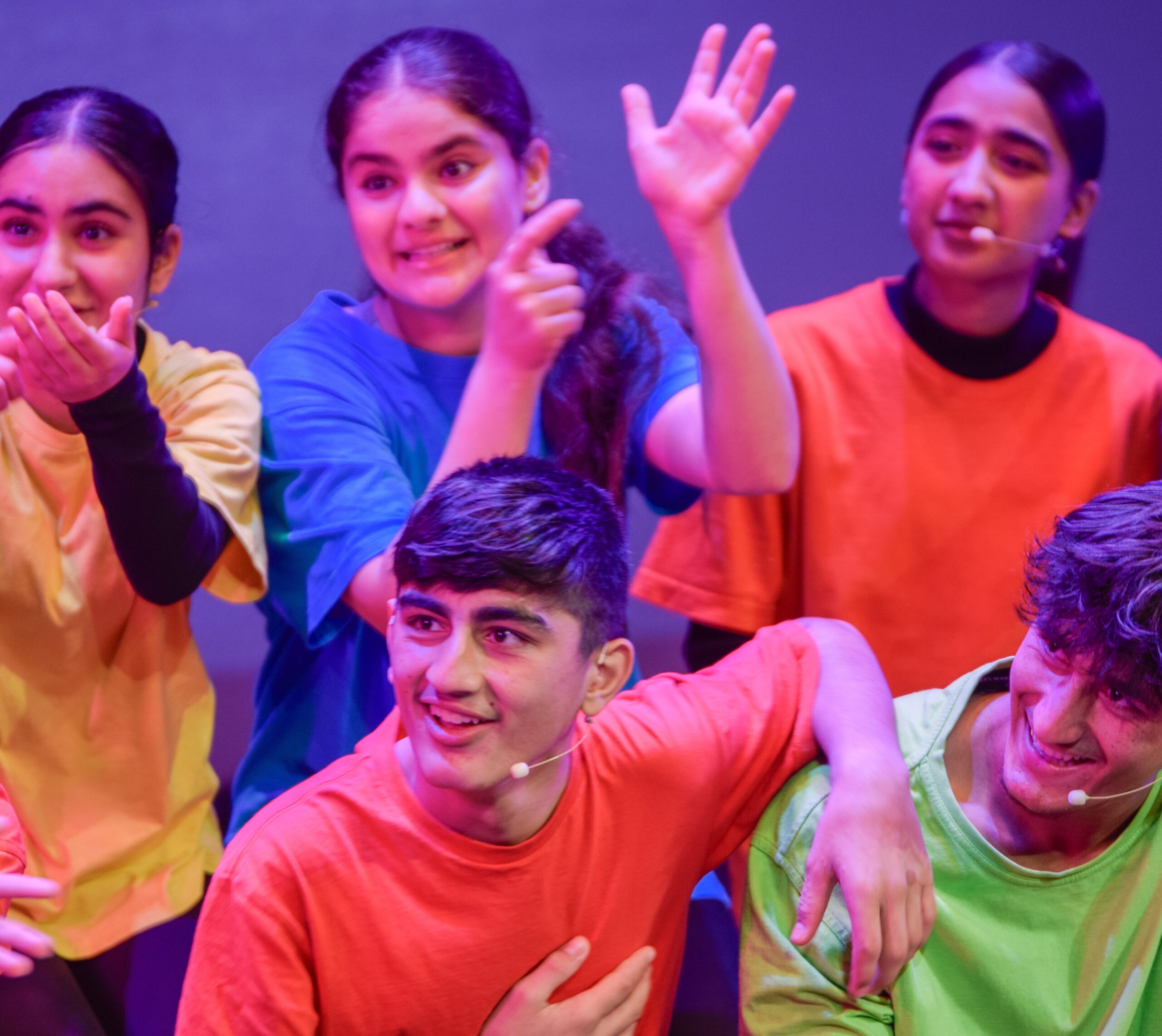
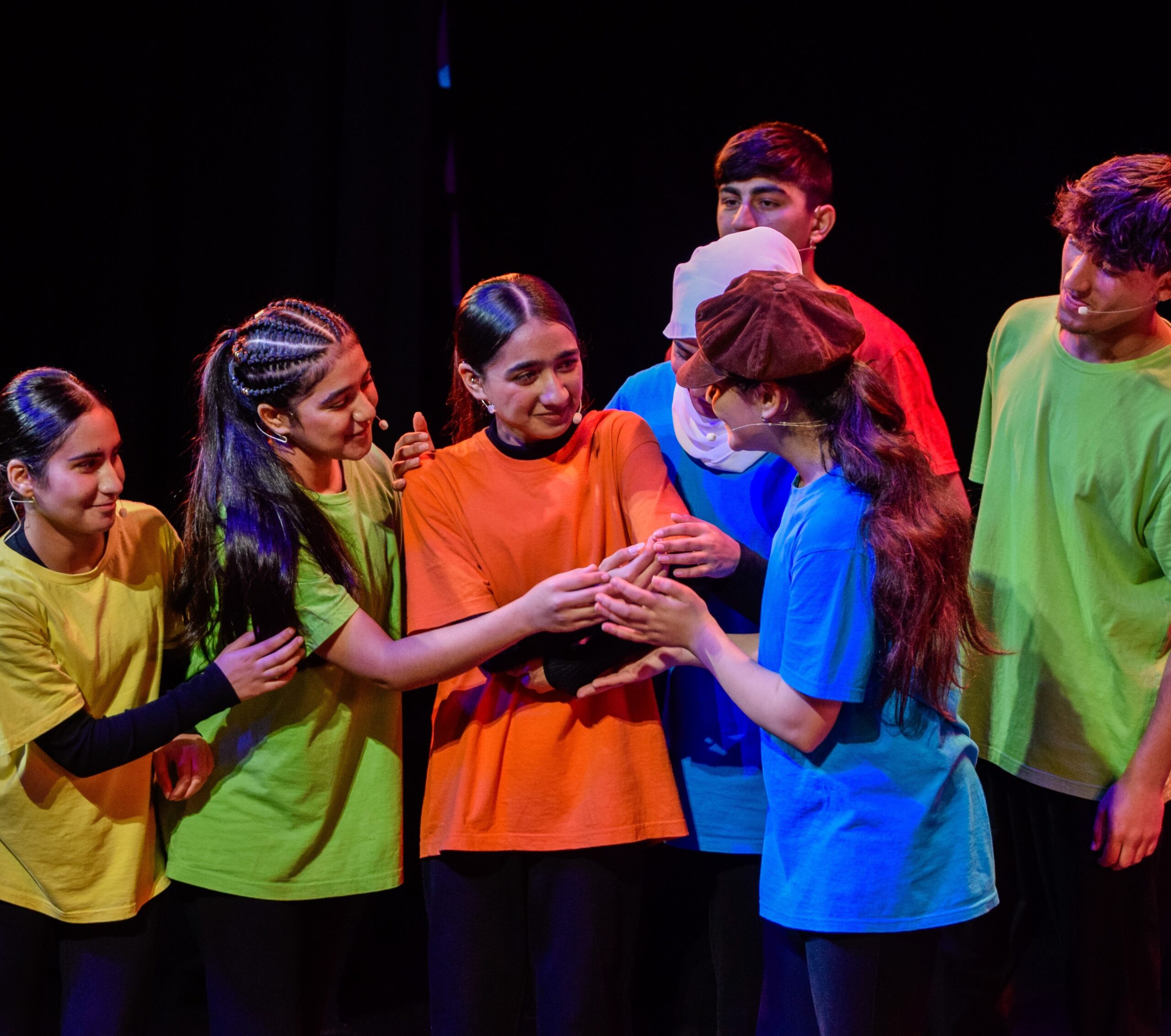
Twice a year, Treehouse Theatre selects around 15 young refugee students from West and South West Sydney. Participation is voluntary, and the recruitment process involves collaboration with families and teaching staff to ensure students are ready for the journey. The program follows a clear and supportive structure:
1. Group Storytelling and Counselling: Building trust and creating a safe space for students to share their stories.
2. Scripting Stories: Transforming lived experiences into dramatic pieces, typically covering three key themes:
-
- Happy childhood memories
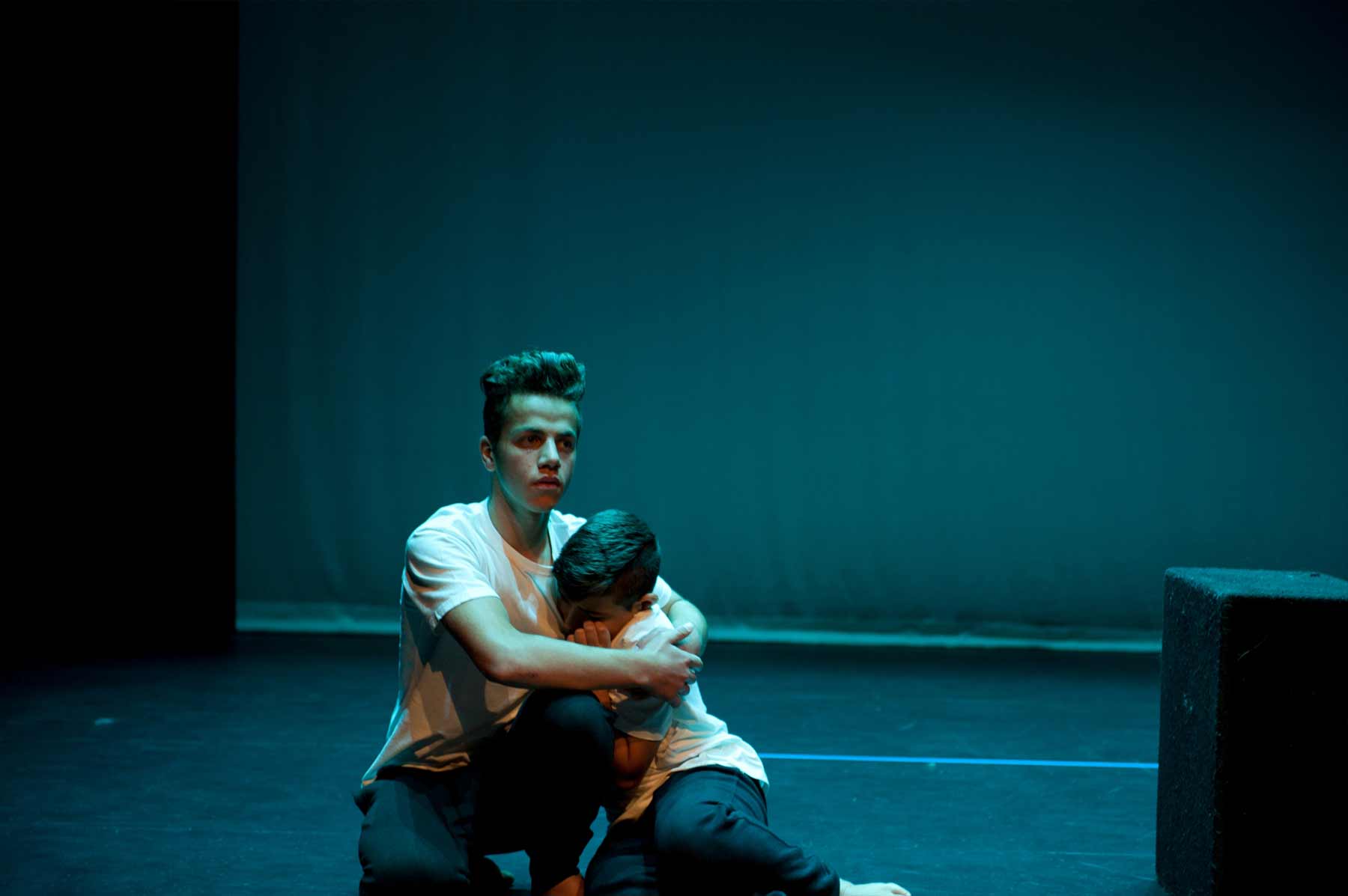
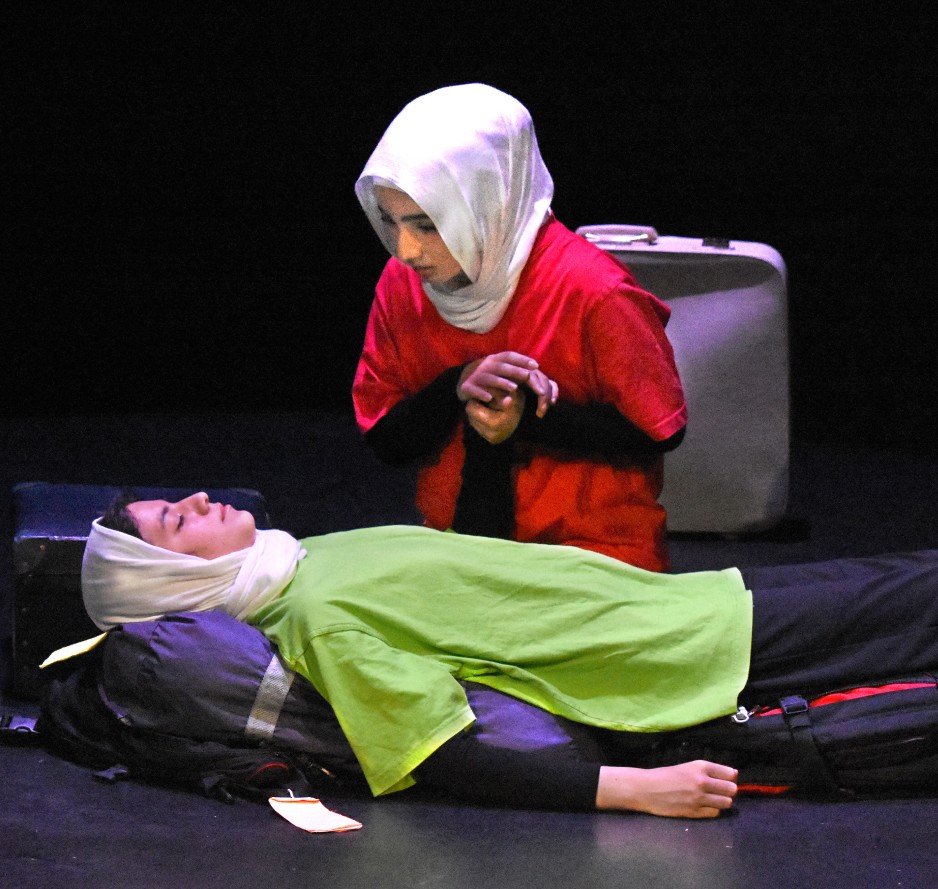
- Trauma experiences
- Resettlement and celebration in Australia
3. Rehearsals: Dedicated nights and weekends spent learning lines and practicing for the stage.
4. Performance: Bringing these powerful stories to life before a live audience.
5. Evaluation: Reflecting on the experience to capture learning and progress.
Our Goals
The primary goal of the Treehouse Theatre program is trauma recovery for the cast members: the process helps each person come to terms with what they have experienced.
Beyond that there are two further goals:
1. For the cast to improve their English language skills and cross-cultural understanding
2. For the audience, the goal is to educate the public (especially school students) about refugees and thus improve community acceptance.
Storytelling
The process of being heard and understood are key to trauma recovery (Carey and Russell, 2003) and the storytelling process is central to that.
The cast members share stories in a story circle. Often these stories are disclosed for the first time. The telling, listening and the response of the group provides validation and builds deep connection between group members. The witnessing by fellow cast members and the support teachers all aids trauma recovery.
The second layer of witnessing comes from the audience during the live performances. Their emotional response – laughing, gasping, crying, cheering – provides peer and community validation. Perhaps the ultimate form of acceptance in their new country.
Building an Accepting Society
Building an accepting society means changing minds, changing attitudes to refugees. Research shows that “rational argument” does not work (Drew Westen, 2008; Jonathan Haidt 2013). We need an emotional hook, and that is exactly what Treehouse performances provide.
A Testimonial from a Cast member on it’s Impact
“Theatre performance that ‘Tree of Life’ provides, gave others and myself the chance to interact and break the ice between us refugee students and Australian general public. On the stage I am able to be who I am, and let the audience know who I am, what I feel, and what I stand for, then wait if they would accept me, and they surely did. This was my second birth, one here in Australia. I was born again as a new person that appreciated his difficult past yet was optimistic about the future.”
— Akeel Abbas, 27 February 2013
Treehouse Evaluation
Collaboration with STARTTS
Treehouse wanted to get more than anecdotal evidence of impact and so asked STARTTS (Service for Treatment and Rehabilitation of Torture and Trauma Survivors), one of the lead bodies in Australia helping trauma sufferers recover.
They conducted detailed research, which included:
1. PTSD and emotional wellbeing questionnaires completed by students before and after the program*
2. Objective measures of attention and impulsivity administered before and after the program*
Tests used:
– The Depression, Anxiety and Stress Scale – Shortened version (DASS-21; Lovibond & Lovibond, 1995)
– The Child PTSD Symptom Scale (CPSS; Foa et al., 2001)
– The Test of Variables of Attention (TOVA; Greenberg, Holder, Kindschi & Dupuy, 2007)
This data was analysed and presented in a paper by Peter O’Malley entitled Evaluating a Drama Intervention Targeting Symptoms of PTSD, Emotional Distress and Attentional Difficulties in Adolescent Refugees in Australia (Publication pendig as of April 2022). This paper is available at the link below.
Results suggested significant improvement in trauma, depression, attention and anxiety after completing the Treehouse Theatre program.